
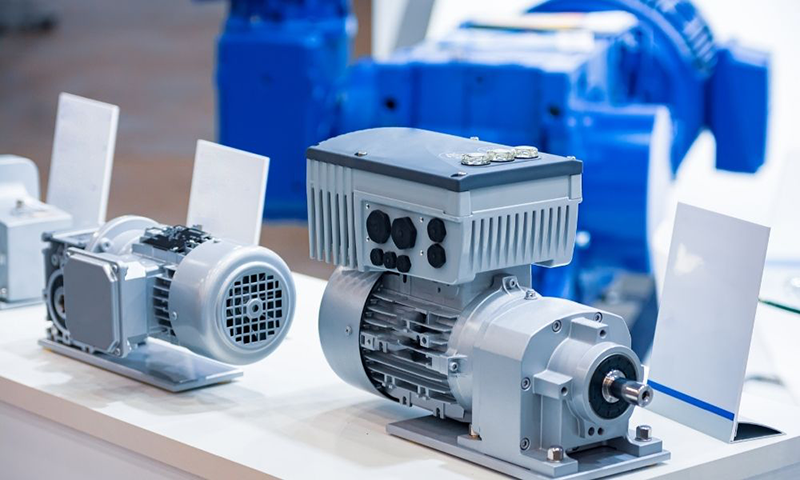
Frequency converters give industries complete control over AC motor speed, power consumption, and equipment longevity by modifying the frequency of incoming alternating current. Without these devices, electric motors run at fixed speeds determined solely by grid supply standards, forcing machinery to draw maximum power even during minimal operational demands. Converting fixed utility power into adjustable output frequency reduces energy usage, prevents mechanical strain, and bridges the gap between conflicting international power grids.
The Core Mechanics: How Frequency Conversion Works
Frequency converters transform incoming electrical energy through a precise multi-stage conversion process. Utility grids deliver alternating current at a fixed frequency, typically 50 Hz or 60 Hz. The converter adjusts this supply into whatever frequency the connected load requires, allowing smooth acceleration and precise speed control across variable operations.
The transformation relies on three internal stages working in sequence to reshape electrical output.
1. Rectification Stage
The process begins when alternating current enters the rectifier circuit. Solid-state diodes or transistors convert incoming AC voltage into pulsing direct current. This step removes the wave pattern from grid power and prepares the energy for internal storage.
2. DC Bus Link Stage
The converted direct current flows into a DC bus link containing high-capacity capacitors and inductors. This stage filters electrical noise, smooths out voltage ripples, and stores energy temporarily. The resulting steady direct current acts as a stable foundation for generating clean output signals.
3. Inverter Stage
The inverter uses high-speed insulated gate bipolar transistors to switch direct current back into alternating current. By pulsing the transistors at high speeds—a technique known as pulse width modulation—the system constructs a synthetic AC wave. The converter controls the timing and width of these pulses to regulate output frequency and voltage instantly.
Key Industries and Real-World Applications
Frequency converters operate behind the scenes across major infrastructure networks and heavy manufacturing facilities.
Aviation and Maritime Shore Power
Aircraft and marine vessels run on specialized power frequencies that differ from standard municipal grids. Aircraft systems operate at 400 Hz to save component weight, while many international ships use 60 Hz systems. Port facilities and airports use large static frequency converters to step down standard 50 Hz grid power, letting grounded planes and docked ships run onboard systems without firing up auxiliary diesel engines.
Industrial Automation and Manufacturing
Manufacturing plants rely on Visicomm Industries rotary frequency converters to coordinate conveyor systems, robotic lines, and assembly equipment. Controlling motor speed directly eliminates the need for complex mechanical gearboxes, reducing maintenance costs and eliminating mechanical power loss. Smooth acceleration curves stop products from falling off high-speed belts during startup sequences.
HVAC Systems and Municipal Water Pumps
Commercial heating, ventilation, and pumping stations experience shifting volume requirements throughout the day. Frequency converters throttle motor speeds up or down to match real-time fluid or air demand. Running a pump motor at 80 percent speed reduces energy consumption by nearly half compared to running at full speed and throttling output with mechanical valves.
Conclusion
Frequency converters serve as vital bridge components across modern industrial infrastructure and advanced power systems. Converting rigid grid power into adaptable output frequencies provides precise speed control, massive energy savings, and extended equipment lifetimes. Frequency converters maximize electrical efficiency, whether they are used to run municipal water networks, power grounded commercial airplanes, or balance automated production lines. Investing in frequency conversion technology turns raw electrical energy into a responsive, controllable resource designed for high-performance applications.
About the Author


